8:45 a.m. Sept. 11, 2001.
It was a day I knew I’d never forget.
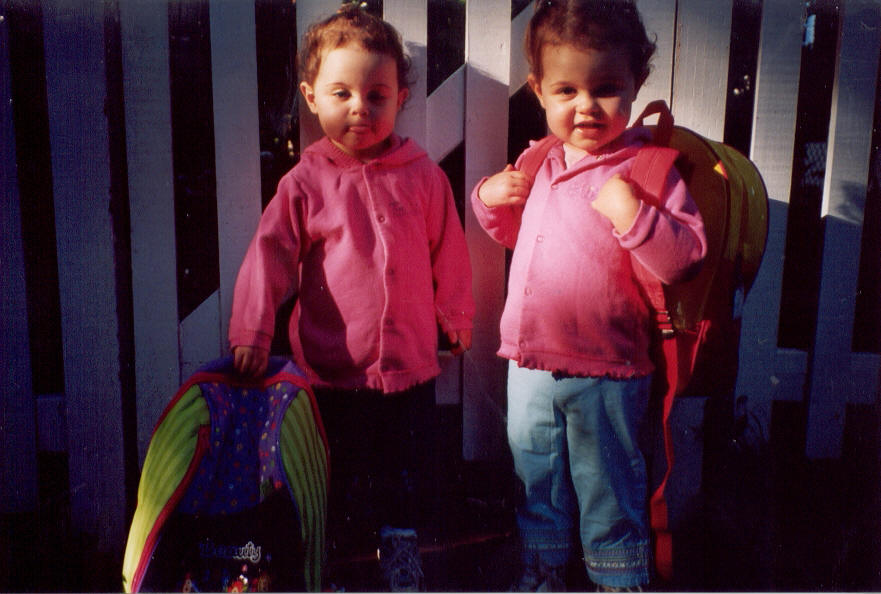
My two-year-old twins were heading off for their very first day of preschool. They had their lunches packed, the backpacks full of extra clothes, wipes and smocks for painting. I was more emotionally wound up than they were, and I was almost disappointed when they just kissed me goodbye, and walked hand in hand into their very first day of school.
The only tears were my own, and I desperately, sheepishly blinked them back. There were no pudgy arms clutching at my legs, no high little girl voices begging me to take them home. I was proud of their determination, but not quite used to the idea that my baby girls might be growing up.
I got in my car, a tangle of conflicted emotions, and turned on the radio.
It was 9 a.m. September 11, 2001.
When the first reports of trouble in New York trickled in, I didn’t think much of it, preoccupied as I was by my own microdrama. Then the announcer mentioned the World Trade Center, and I thought about my brother, whose law firm was in the process of moving their offices into one of the towers. I called my mom, who hadn’t heard anything. She couldn’t reach his cellphone, but we weren’t yet alarmed.
I stopped for coffee with a friend, asking the teenage barista to turn the radio over to CBC, and we stared at each other in horror as news of a second plane hitting the towers was reported. I ran home to keep trying to reach my brother. No answer. Cellphone service was in chaos.
Like everyone I knew, I watched the world implode upon a TV screen. I couldn’t breathe. The sheer scale of hatred, of callousness, of remorseless cruelty was astonishing. It was impossible that this destruction, this pain was being played out live on camera. It was unthinkable that we had to just sit there and watch. But we did. We couldn’t turn away even when the images burned into our eyes, seared themselves into our minds.
We were witnesses to the murders; our very witnessing the catalyst for it happening. A spectacle laid out in living colour for the hungry eyes of our cameras.
It took a couple of hours to track down my brother. His firm’s move had been postponed because of construction delays. Only a few people had been moved over to the World Trade Center that morning; one woman from their office died.
My daughters have an uncle today because of construction delays. They have three cousins. Construction delays.
I remember thinking, with typical shortsightedness, how lucky I was to have children too young to understand what was happening. Two-year-olds don’t watch the news or scan the front page of the newspaper in a daily race for the weather and comics. I was almost giddy with relief. How on earth could a parent ever explain this to a child?
I forgot that they wouldn’t be two forever. That I would have to explain over and over again as they grew how such a thing could happen. Their innocence waning as their capacity to comprehend expanded. Every time we saw a picture of the towers. Heard about the memorials. Each time we visited New York City.
Every September.
I didn’t realize that I would have to give answers to unanswerable questions. To the two-year-olds who are now 12. To their little sister, whose very existence I hadn’t even foreseen that morning ten years ago. To my future grandchildren.
We will be searching for those answers for many, many years. Forever. Like the Holocaust, and Rwanda and the former Yugoslavia and Tiananmen Square, but newer and closer and fresher. With really good production values.
Teaching our kids about the grim side of human nature is never an easy thing to do. In the olden days we had dark inflections to our nursery rhymes and fairy tales. We had cradles that fell and witches in the woods who ate errant children, desperate girls who cut off their toes to fit the prince’s glass slipper.
We don’t do that anymore. We’ve scrubbed our stories, sanitizing the imaginary preschool world the same way we Purell their little hands. Have you ever watched the original Disney versions of Snow White or Sleeping Beauty? Tiana and Arielle wouldn’t last a day in their world.
When natural disasters occur and people die, we can point to the arbitrary and unpredictable whims of nature. It’s upsetting, but somehow we feel we can contain our children’s fears through education and action. But terrorism, war, mass murder, school massacres? That’s a whole other story.
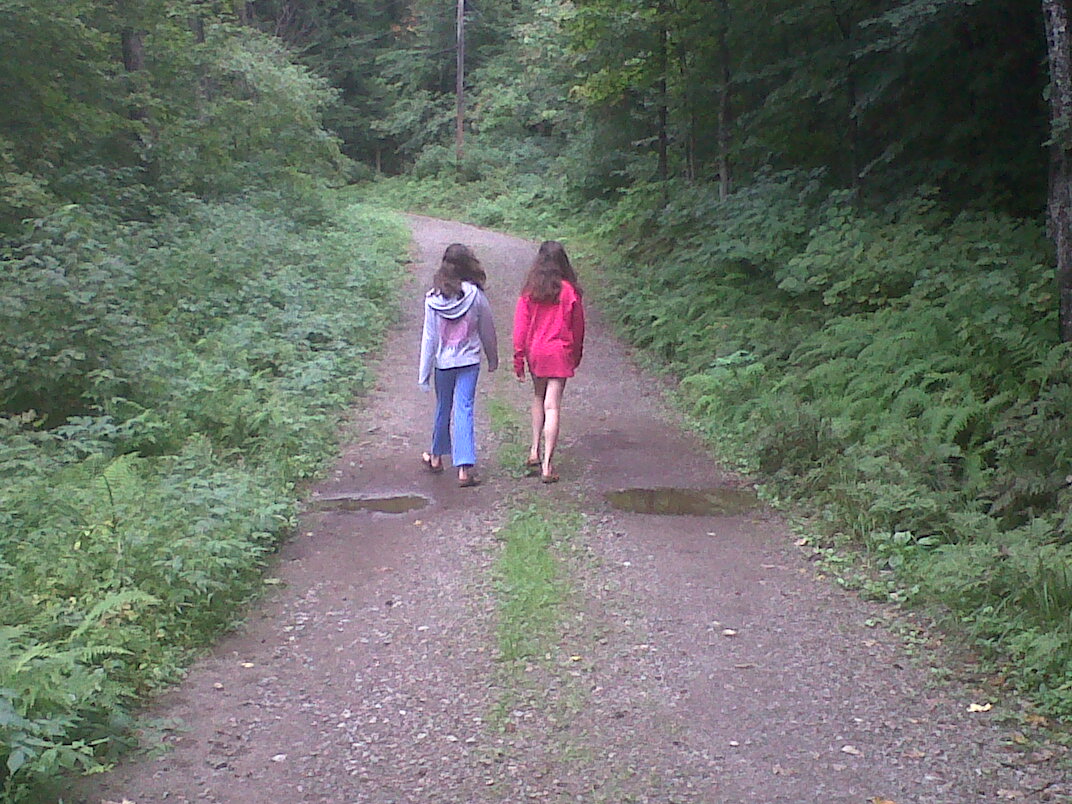
I wish I could say I have the answers here, but I don’t. The truth is, I still don’t know what to say to my girls about September 11th. I tried to dole out the nuggets of information sparingly when they were younger, offered some context as they got older and learned more on their own. But I knew some time ago that I couldn’t protect them from knowing any more. And I shouldn’t. The plump, smiling toddlers smiling innocently into the camera at the exact moment the first plane fell out of the sky have morphed into tall, lithe preteens. They cringe and reluctantly agree when I ask to take their picture on the first day of high school.
I can only hold them close as long as they let me and hope they get more from remembering that day than the fear and hatred that made it possible in the first place.